When it comes to building safety, fire-rated hardware is one of the most important elements in protecting lives and property. From hospitals to schools to retail spaces, properly specified fire-rated hardware ensures that fire doors perform as intended—slowing the spread of smoke and flames, buying precious time for occupants to evacuate, and supporting first responders in their work.
In this guide, we’ll break down what fire-rated hardware is, why it matters, and how to ensure your facility stays compliant.
What Is Fire-Rated Hardware?
Fire-rated hardware refers to door components—such as exit devices, locks, hinges, and closers—that have been tested and certified to withstand fire for a specified period of time, typically 20, 45, 60, 90, or 180 minutes. When installed on a fire-rated door, these products help the assembly resist fire and smoke spread.
It’s important to note that the entire assembly (the door, frame, and hardware) must be rated as a unit. Even one non-rated component can compromise the door’s effectiveness.
Key Types of Fire-Rated Hardware
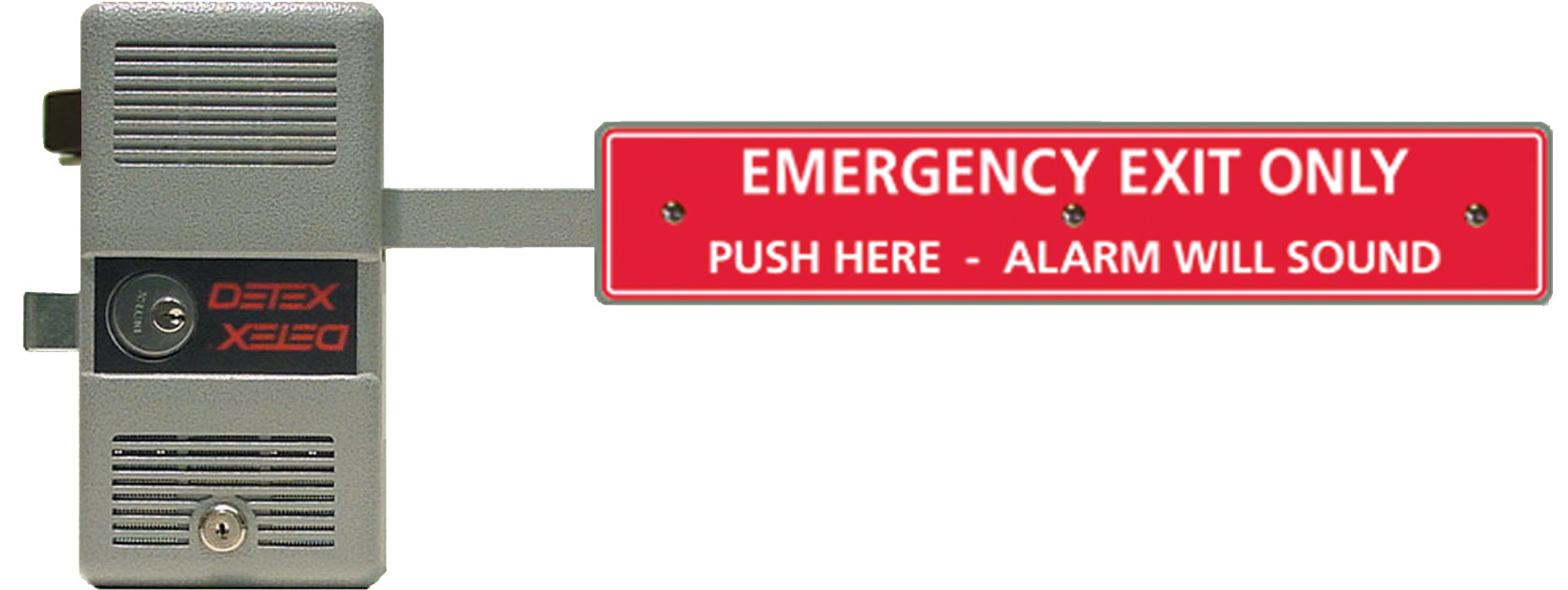
Exit Devices (Panic & Fire Exit Hardware): Designed to allow quick egress while keeping doors closed against fire pressure. Fire-rated devices do not include mechanical hold-open features.
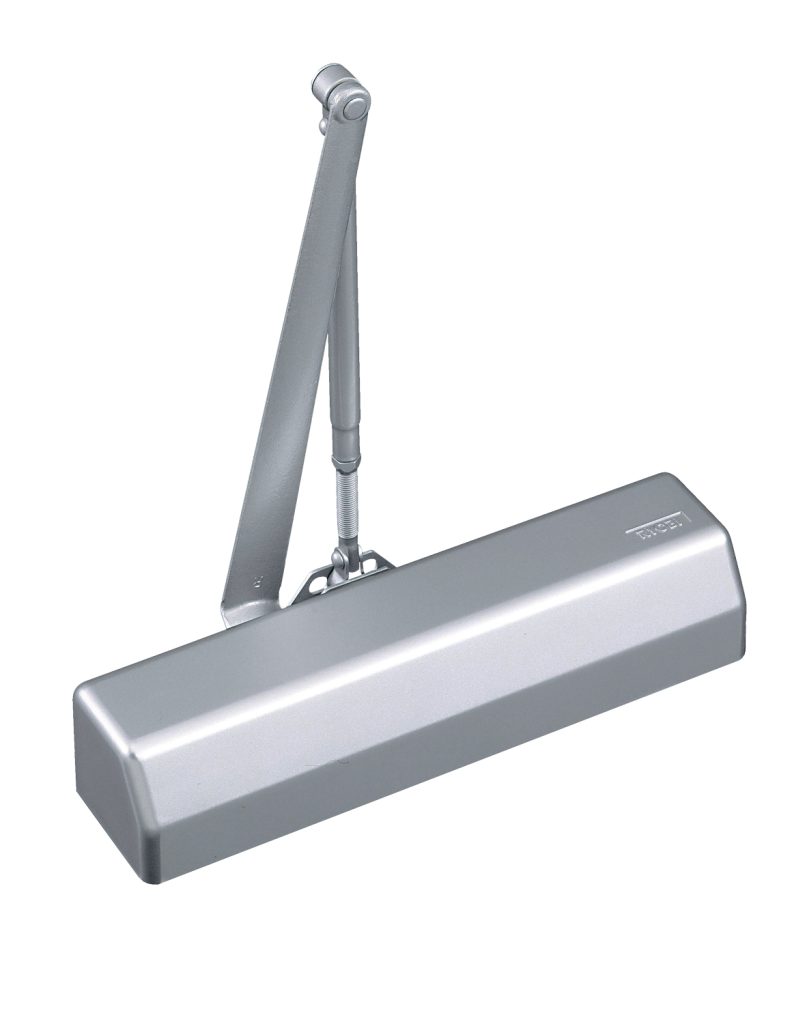
Door Closers: Ensure that fire-rated doors automatically close and latch, preventing flames and smoke from spreading.
Locks & Latches: Certified fire-rated locks must hold the door secure during fire conditions, even under extreme heat.
Hinges & Pivots: Heavy-duty, tested to withstand warping or failure in high temperatures.
Seals & Gasketing: Provide critical smoke and draft control, particularly at the edges of doors.
Why Fire Ratings Matter
Fire-rated doors and hardware are not just code requirements—they are life safety systems. Fires can double in size every minute, and uncontrolled smoke is the leading cause of fire-related deaths. Properly rated hardware helps compartmentalize buildings, slowing the spread of fire and giving occupants time to exit safely.
Non-rated or improperly installed hardware can void the fire rating of the entire door assembly, leading to liability, code violations, and increased danger during emergencies.
Common Misconceptions About Fire-Rated Hardware
- Myth: Any exit device can go on a fire door.
Reality: Fire doors require fire-rated exit hardware that does not rely on hold-open features. - Myth: If the door is rated, the hardware doesn’t matter.
Reality: The door, frame, and hardware must all be rated together as an assembly. - Myth: Fire-rated hardware is only needed in high-rise buildings.
Reality: Fire protection codes apply to a wide range of occupancies including schools, healthcare, retail, and industrial facilities.
Compliance and Testing
Fire-rated hardware is tested under standards such as UL 10C (Positive Pressure Fire Tests of Door Assemblies) and NFPA 252 (Fire Tests of Door Assemblies). Products must bear proper labeling (UL, WH, FM, or other certification marks) to be considered compliant.
Building owners and facility managers should ensure routine inspections of fire doors and hardware, as required by NFPA 80, to maintain compliance.
Choosing the Right Fire-Rated Hardware
When specifying or upgrading fire-rated doors, consider:
- Door location and rating requirements (20–180 minutes)
- Occupant needs (panic vs. fire exit hardware)
- Accessibility requirements (ADA compliance)
- Environmental conditions (weather exposure, corrosive cleaning agents, etc.)
Working with a trusted manufacturer ensures that your fire-rated hardware not only meets code but also provides long-term durability and reliability.
Final Thoughts
Fire-rated hardware is a silent guardian of life safety, designed to perform in the worst possible conditions. Whether you’re outfitting a new building or retrofitting existing doors, choosing certified fire-rated hardware is an investment in safety, compliance, and peace of mind.